
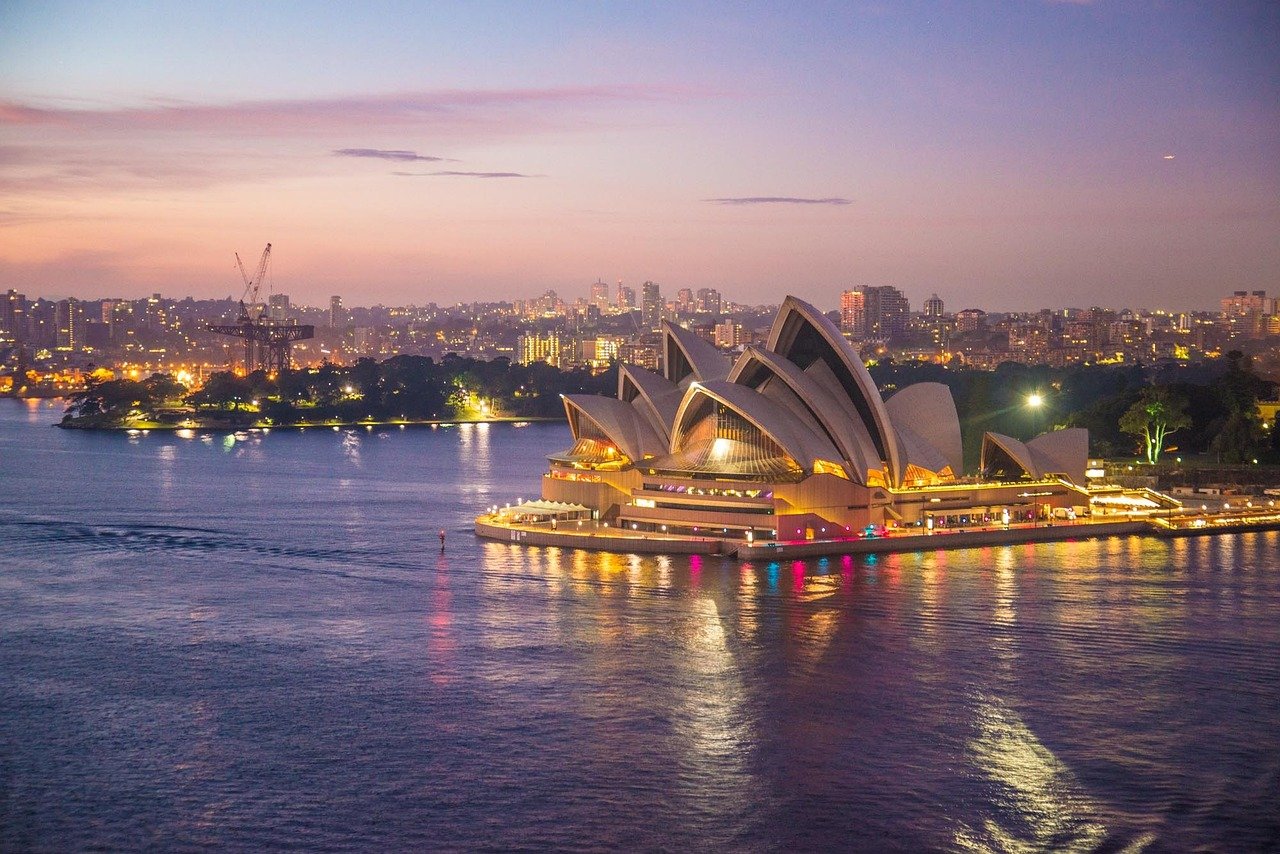
To Australia
General requirements:
• 18-30 years old
• IELTS 4.5 or higher
• Have bachelor or higher education certificate or at least two years of successful university education
• Apply from outside Australia
• Not be accompanied by dependent children or family
• Not have previously entered Australia on a subclass 462 or 417 visa
Visa fee: $635

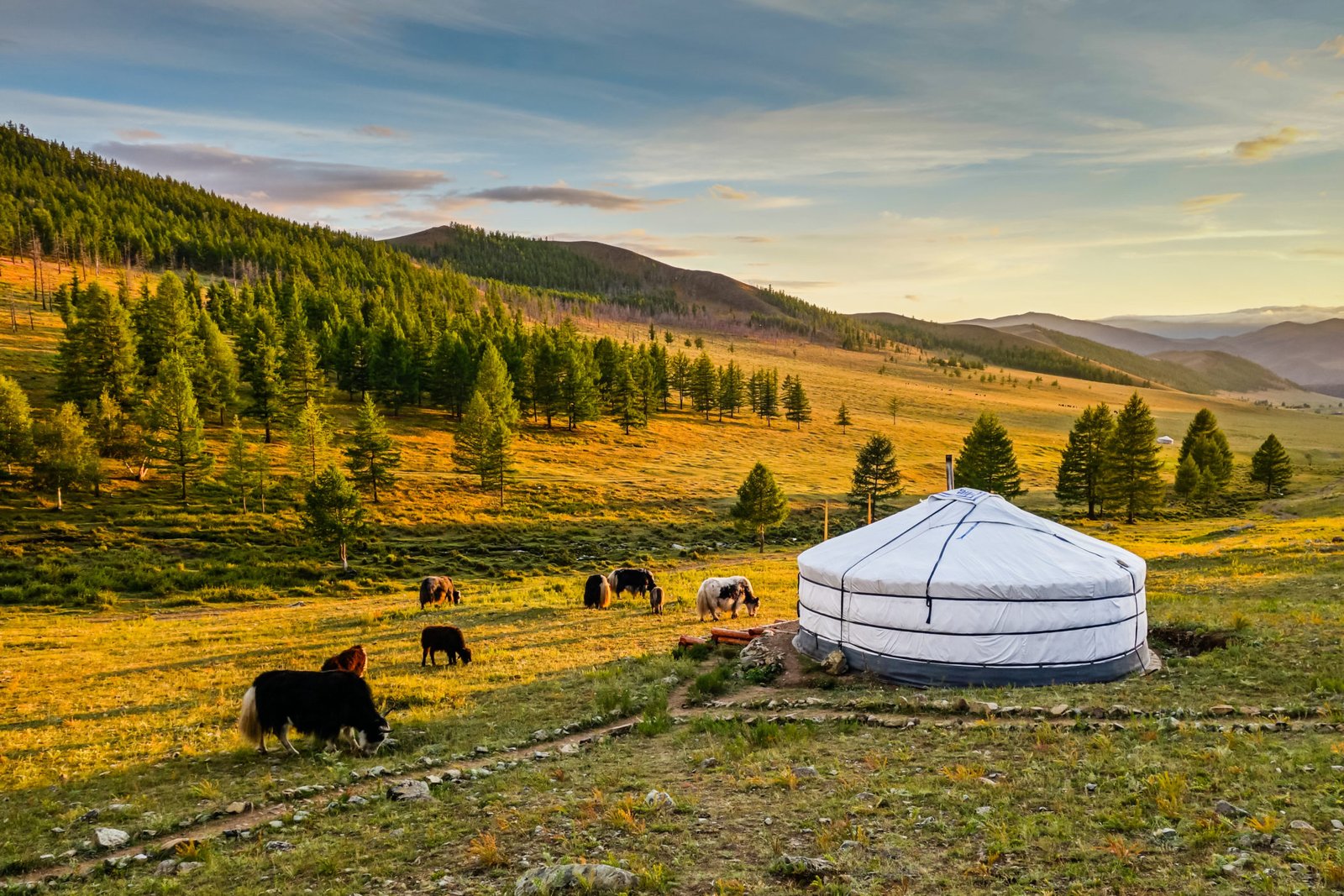
To Mongolia
General requirements:
• 18-30 years old
• A valid passport and travel ticket, or have sufficient financial resources to purchase the ticket
• Sufficient financial resources to spend on personal use for work and leisure
• Have bachelor or higher education certificate or at least two years of successful university education;
• Not be accompanied by dependent children or family

Job opportunities
These platforms facilitate efficient job searches and provide tools to filter results based on specific criteria. The most commonly used search engines are listed below:
https://www.gumtree.com.au/Gumtree/com.au
Current list of available jobs: Coming soon ….

RPL (Recognition of Prior Learning)
Maybe further study? Did you know that you might be able to reduce the study time it takes to get your qualification and you can save money?
Recognition of prior learning (RPL) is all about the skills and knowledge you’ve collected through work and life experiences and then transferring them to current training course requirements.
List of available qualifications:
| Course Name | RTO Code |
| Trade Qualification | |
| Certificate III in Carpentry | 41442 |
| Certificate III in Painting and Decorating | 41442 |
| Certificate III in Wall and Ceiling Lining | 41442 |
| Certificate III in Wall and Floor Tiling | 41442 |
| Certificate III in Plumbing | 41442 |
| Certificate IV in Plumbing | 41442 |
| Certificate IV in Building and Construction (Building) | 41442 |
| Certificate III in Engineering – Fabrication Trade | 41442 |
| Certificate III in Construction Waterproofing | 41442 |
| Certificate III in Roof Tiling | 41442 |
| Certificate III in Demolition | 41442 |
| Diploma of Building and Construction (Building) | 41442 |
| Construction Qualification | |
| Certificate I in Construction | 45288 |
| Certificate III in Landscape Construction | 45288 |
| Certificate III in Civil Construction Plant Operations | 45288 |
| Certificate III in Solid Plastering | 45288 |
| Certificate III in Cabinet Making | 45288 |
| Certificate III in Roof Plumbing | 45288 |
| Business & Hospitality Qualification | |
| Certificate III in Business | 40202 |
| Certificate IV in Business | 40202 |
| Diploma of Business | 40202 |
| Advanced Diploma of Business | 45258 |
| Diploma of Human Resources Management | 40202 |
| Certificate IV in Leadership and Management | 40202 |
| Diploma of Leadership and Management | 45288 |
| Advanced Diploma of Leadership and Management | 41585 |
| Certificate III in Baking | 40202 |
| Certificate III in Hospitality | 40202 |
| Certificate IV in Hospitality | 40202 |
| Certificate III in Commercial Cookery | 40202 |
| Certificate IV in Commercial Cookery | 40202 |
| Certificate III in Patisserie | 40202 |
| Certificate IV in Patisserie | 40202 |
| Diploma of Hospitality Management | 40202/ 41585 |
| Advanced Diploma of Hospitality Management | 40202 |
| Marketing Qualification | |
| Advanced Diploma of Marketing and Communication | 41585 |
| Health & Childcare Qualification | |
| Diploma of Counselling | 41585 |
| Certificate III in Individual Support | 41585 |
| Certificate IV in Ageing Support | 41585 |
| Certificate IV in Disability | 41585 |
| Diploma of Community Services | 41585 |
| Certificate III in Individual Support (Ageing & Disability) | 41585 |
| Diploma of Youth Work | 41585 |
| Certificate III in Childcare | |
| Diploma of Childcare | |
| Certificate III in Hairdressing | |
| Diploma of Beauty Therapy | |
| Automotive Qualification | |
| Certificate III in Light Vehicle Mechanical Technology | 45258 |
| Certificate III in Automotive Body Repair Technology | 45258 |
| Certificate III in Heavy Vehicle Mechanical Technology | 32025 |
| Certificate III in Automotive Refinishing Technology | 32025 |
| Management Qualification | |
| Graduate Diploma of Management (Learning) | 45258 |
| Certificate IV in Finance and Mortgage Broking | 41585 |
| Diploma of Finance and Mortgage Broking | 41585 |
Contact us for more information.

Future Australian Jobs: What to Expect in 2030
Future Industries in Demand
The employment landscape is expected to undergo significant transformations by 2030.
Although there are no guarantees on how much jobs will change, several industries are poised for growth, creating numerous job opportunities for Australians. Let's delve into some of the sectors likely to lead the jobs of the future:
1. Technology and Digital Transformation
Jobs related to artificial intelligence, cybersecurity, data science, and other tech fields will be in high demand. New technologies like virtual reality and blockchain will also create job opportunities.
2. Renewable Energy and Sustainability
With a greater focus on protecting the environment, jobs in renewable energy, such as solar and wind energy, will increase. Careers in energy efficiency and sustainable planning will also be important.
3. Healthcare and Aged Care
As the population ages, jobs in healthcare and aged care will be in demand. Nursing, geriatric care, telemedicine, and health informatics will play a crucial role in taking care of older adults.
4. Creative Industries
The creative sector, including digital media, gaming, and content creation, will continue to grow. Jobs in animation, digital marketing, and user experience design will be sought after.
Future Jobs in Demand
Now we have looked at some industries in Australia, we can look deeper into some new job roles that might emerge or change in the future. Here are a few examples of the future Australian Jobs:
1. Drone Traffic Managers
As drones become more common, professionals who can manage drone traffic and ensure safety will be needed.
2. Genetic Counsellors
With advances in genetics and personalized medicine, genetic counsellors will help people make informed decisions about their health based on their genetic information.
3. Virtual Reality Architects
Architects who specialize in creating virtual reality environments for gaming, architecture visualisation, and virtual tourism will be in demand.
4. Ethical AI Specialists
As artificial intelligence becomes more prevalent, experts who can ensure ethical considerations in AI design and decision-making will be important.
Jobs of the Future 2030 Australia
Australia's unique economy and demographics will contribute to the specific future Australian jobs in demand. Here are some areas expected to witness growth
1. Regional Development Specialists:
Professionals who can help with economic development, infrastructure planning, and job creation in regional areas will be needed.
2. Indigenous Cultural Advisors
There will be opportunities for people who can bridge the gap between Indigenous cultures and contemporary practices in various industries.
3. Cybersecurity Experts
As cybersecurity threats increase, skilled professionals who can protect digital infrastructure and ensure data privacy will be crucial.
To prepare for the future job market, it's important to be aware of the jobs that will be in demand. Jobs of the future in Australia will be in technology, renewable energy, healthcare, creative industries, and emerging fields.
Acquiring Crucial Skills for 2030 and Beyond
Understanding and procuring the skills needed for the Jobs of the future in Australia is an essential measure for your career evolution and for preparing your children for their own pathways – paths that may change up to 6 times and entail 18 jobs.
While continuous education, re-skilling, and up-skilling can impose considerable financial strain, there are ways to ease this burden. Options such as Futurity Education Bonds or other tax-efficient investment products can be explored to manage the resources needed for your family's educational expenses.
Remember, the journey towards knowledge should be a lifelong ambition for both you and your children.
Funding Your Family's Lifelong Educational Journey
Education Bonds, designed specifically to facilitate saving and investing for education, can help accumulate funds for educational expenses in a tax-efficient way. They provide the security needed to continuously fund your and your children's learning, irrespective of age.
Considering the substantial changes foreseen in the Australian job market, equipping yourself and your children with new skills to remain relevant is crucial.

The Biggest Travel Trends to Expect in 2024
1. Astro tourism
What’s the trend? Astronomy, of course, is a field of study that has been around since the dawn of civilization, and the act of gazing up at the stars has long been a source of soul-soothing wonder. Today, the more society falls deeper into an ever-expanding virtual world, the more we feel a need to broaden our horizons in the real universe. Astro tourism is the act of traveling with the aim of catching sight of astronomical phenomena—disappearing to lands devoid of any pollution, crowds, and traffic, where we can focus solely on the skies above and while away hours gazing at the stars, planets, and constellations overhead.
2. Eco diving
What’s the trend? A rise in divers choosing their travel destinations based on the sustainability of the scuba centers, and having a more positive and regenerative impact on the ocean once there.
3. Home swapping
What’s the trend? Increasingly, discerning travelers are looking to stay away for longer stretches, while the rise of remote jobs means that working and living abroad has never been more appealing. The catch? Forking out on hefty accommodation fees while you’re at it. Enter home swapping: the perfect solution to guarantee yourself a (free) home abroad while you offer up your own in exchange for weeks or even months at a time.
4. Train stations are the new food destinations
What’s the trend? Train stations around the world are usually passed through as quickly as possible, having not been designed for commuters to stay and hang out. Nowadays, as travel delays increase and visitors want more local experiences, it pays for train stations to welcome travelers with shops, restaurants, and bars for them to explore. In an effort to create a more dynamic visitor experience, historic train stations are being revamped, with bespoke food and drink offerings as an integral part of the redesign.
5. Sports tourism
What’s the trend? Sports tourism has evolved in the past few years with a new generation of sports fan emerging, thanks to glossy TV documentaries (Formula 1: Drive to Survive, we’re looking at you). Now, we’re taking our fandom out of the house and following a host of different sports in destinations across the world, planning trips that hinge around seeing games, races, and other activities in exotic locales, and extending trips on either side to see the sights too.
6. Coolcationing
What’s the trend? For the vast majority of folks, summer holidays used to be about following the sun, seeking the heat—watching the mercury climb and hitting the sands. With the intense, record-breaking temperatures of recent years, however, many are considering traveling in the opposite direction: booking "coolcations" in temperate destinations, which also benefit from being less crowded.
7. Gig tripping
What’s the trend? For years, athletes and wellness gurus were the big headliners at retreats. But rock stars are, well, the new rock stars of travel. Call it the Taylor Swift Effect. Destination concert business is up more than 50%, led mostly by Taylor Swift, says Janel Carnero, a travel advisor at Embark Beyond. In the US, tickets for Swift’s Eras Tour cost thousands and were still impossible to score. Music fans are realizing they can pay less and have a more memorable experience by seeing their favorite pop icons perform in say, Amsterdam or Milan. (Remember when everyone went to see Beyoncé early in Stockholm?) Tours from performers such as Pearl Jam, U2, Doja Cat, and Madonna will anchor trip itineraries, while music festivals—Glastonbury sold out in less than an hour—will be major catalysts for travel.
8. Resorts will help you biohack your health span
What’s the trend? Longevity is the latest wellness buzzword thanks to best-selling books such as Outlive and the hit Netflix documentary Live to 100: Secrets of the Blue Zones. Between 2021 and 2022, venture-capital investment in longevity clinics more than doubled from $27 million to $57 million globally, according to analysis from longevity research and media company Longevity.Technology. Now, the science of extending life and optimizing health has become the focus at hotels. Blue Zones retreats are the new boot camps, and even sybaritic resorts are offering the latest biohacks. Poolside vitamin IV, anyone?
9. Peak season gets the cold shoulder
What's the trend? There’s been a dramatic recent increase in shoulder season travel to Europe’s most popular destinations (particularly France, Spain, the UK, and Italy), which is set to continue in 2024. Luxury travel specialists Original Travel has launched new shoulder season itineraries to locations traditionally in demand during the summer—including the crystalline seascapes of Sardinia and Corsica—after seeing 14% more bookings for September 2023 than for August 2023. Pegi Amarteifio of Small Luxury Hotels of the World shares similar insights: “Comparing phone reservations in 2023 against 2019, we’ve seen a 33% increase for March to May and a 58% increase for September to November, a pattern reflected across our other booking channels too.”
10. Private group travel
What’s the trend? The post-pandemic desire to gather friends or family and embark on a shared holiday experience shows no sign of abating. In fact, it’s on the increase in luxury travel, as people appreciate the benefits and savor the moment, from three-generation family groups to 50-something empty-nesters keen to rekindle life-long friendships. Just don’t take Succession’s family outing to Tuscany as a role model.
11. AI aims to be your sidekick
What's the trend? Early last year, after OpenAI’s ChatGPT broke the record as the fastest-ever growing consumer app, travelers started playing around with AI chatbots to get inspiration on where they could go. More recently, major travel booking platforms have started to integrate AI chatbots into the booking experience. But if 2023 was the year of AI chatbots wanting to plan your trips, 2024 will be all about how AI aspires to be your travel sidekick. A wave of new AI-powered features and products aims to support travelers on the ground, all while raising concerns around the potential negative impacts as AI becomes more widely integrated with our travels.
12. Skip-gen travel
What’s the trend? Skip-gen travel describes when grandparents holiday with grandchildren, in other words, “skipping” a generation. “In the past few months, I've had around twice as many enquiries as usual for grandchild/grandchild bookings,” says Clio Wood, founder of family retreat company &Breathe. “There’s been a rising trend of grandparents taking their grandchildren away,” agrees Ollie Summers, head of sales at luxury travel operator Scott Dunn. “Often to places that have a sentimental meaning to them.”
13. Train travel gets glam
What’s the trend? Rising climate consciousness has fueled a rail travel revival, and so the luxury train niche is reaching new heights of popularity, extravagance, and ambition. Travel booking platforms are reporting growing demand for luxury rail trips, where the journey is, yes, the destination. In fact, new design-forward train lines increasingly rival the finest hotels for the culinary experiences and bells and whistles on offer.
14. Restaurateur-owned hotels
What’s the trend? Restaurants and hotels are the two keystones of the hospitality industry. And naturally, the two are often intertwined on one premises. Until recently, though, most hotels weren’t started or owned by restaurateurs. Yet as food-focused travel keeps increasing, with people hankering for the next hot reservation and planning entire trips around engaging with a culture through its food, it makes sense that restaurateurs are adding hotelier to their personal bios—and ensuring their new properties have impressive food offerings. We’d be remiss not to mention Nobu, which began as a restaurant in 1994 and in 2013 launched its global hotel brand, as a harbinger of the trend.
15. Silent travel
What’s the trend? In an age of overstimulation, silence might be just what we need from our travels in 2024. Offering a chance to restore and reset, silent travel represents a more mindful kind of trip, one that doesn’t leave you needing a holiday to recover from your holiday. Silent meditation retreats are an increasingly popular wellness trend, but silent travel also encompasses secluded nature resorts, sleep retreats, quiet hotels, silent walking tours and even silent disco and concert experiences.
16. Urban gardens
What’s the trend? Never mind the biophilic office and those pot plants you forget to water: Whole cities are going green as architects and planners create leafy microclimates amid the grey concrete to help keep us cooler, connect communities and even feed us.
17. Back-of-house tours
What’s the trend? Greener hotels giving us a look behind the scenes to show us—not just tell us— they're sustainable. Not just a look-see at solar panels or composting, but experiential tours that help us appreciate why it matters to support socio-economic uplift through tourism. In South America, Blue Apple Beach invites visitors to get up close and personal with the community work it does in Colombia through its impact fund. Founder Portia Hart wanted more than token-gesture carbon offsetting, where locals themselves could decide how money was spent. In Africa, guests of the Bushcamp Company contribute to initiatives through the Luangwa Conservation and Community Fund. A popular excursion in Zambia is visiting the boreholes that are installed with outreach funds. Each pump provides fresh drinking water to hundreds of people a day, and visitors who spend time with those gathered get a very tangible insight into how such provisions funded by hospitality can literally change lives in regions most affected by a warming planet.
18. Wild feasting
What’s the trend? Have you ever noticed how food always tastes better outdoors? But in today’s modern world, many of us are more used to eating a sandwich while staring at a screen. Wild feasting describes the trend for beautifully curated culinary experiences in natural environments with the incorporation of hyper-local and foraged ingredients. In Sweden, for example, you can tap into a network of do-it-yourself outdoor restaurants where you book a table in a scenic location, search for nettles, birch leaves, lingonberries, and trumpet chanterelles, and then cook them on an open fire according to a recipe card provided by a Michelin-grade chef.
19. Plan-free travel
What's the trend? Saying no to endless scrolling to plan every inch of a trip, and saying yes to spontaneity instead. The power of the algorithm-spawned era of FOMO travel is waning, with those once secret spots made Insta-famous becoming tired and cookie-cutter, and the drive to plan a trip around them losing momentum. The rising counter movement is travel with no plans at all.
20. Frontier tourism
What’s the trend? To go above and beyond. Or below and under. As crossings of the tumultuous Drake Passage to Antarctica rack up millions of TikTok views and traffic jams form on Everest, canny travelers are seeking more individual, less obvious experiences that combine thrill-seeking with more meaningful self-empowerment.
Migration Strategy Released – Revamping Australia’s Immigration System
Migration Program Planning Levels
Some of the changes include extended migration planning for filling critical skill shortage occupations in various states and territories.
- Migration planning will be extended beyond the current 12 months.
- Migration numbers are estimated to fall next financial year from 510,000 to 375,000 and are projected to stabilise at this level.
Skills in Demand Visa replacing the Temporary Skill Shortage (subclass 482) Visa
The Skills in Demand visa will be replacing the Temporary Skilled Shortage (subclass 482) Visa with a three-tiered system for applicants based on their annual earnings and occupation.
The three-tiered system is planned as follows:
| Tier 1 – Specialist Skills Pathway | Tier 2 – Core Skills Pathway | Tier 3 – Essential Skills Pathway |
| – No occupation list applicable, however trades workers, machine operators, drivers and labourers are excluded
– Requires guaranteed annual earnings of at least $135,000 which will be indexed annually – Priority processing with a commitment to a 7-day median visa processing time |
– A simpler and regularly updated Core Skills Occupation list managed by Jobs and Skills Australia
– Requires guaranteed annual earnings of at least $70,000 which will be indexed annually |
– For occupations earning under $70,000 per year but working in essential skill occupations. – Further assessment by the government is being undertaken on the best way to introduce this pathway This pathway is likely to be sector-specific, with stronger regulatory framework, minimum standards and ongoing advice from Jobs and Skills Australia |
Key Aspects of the visa
- The visa will provide for a 4-year stay for all streams;
- The government is committing to a median processing time of 21 days
- Visa holders will have the ability to move between sponsors with an 180 day time period to find a new sponsor (increase from the current 60 day period)
- Pathways to permanent residency will be available to all Skills in Demand visa holders
- Time spent with any approved employer will be able to be counted towards permanent residency requirements
- Visa holders will have access to self-nominated independent permanent pathways, in addition to employer sponsored pathways
- Streamlined labour market testing requirements will be introduced. The requirement to advertise on Workforce Australia has already been removed (see further details on LMT below)
The finer details of this replacement visa have not yet been released however we will continue to provide updates as available. Based on the Government’s current roadmap this visa is planned to be introduced in late 2024 (subject to legislation being introduced).
Skilling Australians Fund (SAF) Levy
The department will be discussing a new payment model for the Skilling Australians Fund (SAF) Government Levy allowing smaller increments over time.
Labour Market Testing (LMT) – Requirement to advertise on Workforce Australia scrapped effective immediately.
The Department will roll out a new approach to streamline Labour Market Testing (LMT).
- The requirement to advertise on Workforce Australia has been scrapped effective immediately;
- The LMT advertising period will increase from 4 to 6 months providing for longer validity of job advertisements; and
- Government has provided some indication that the LMT requirement will be gradually phased out.
Points Test – General Skilled Migration
A new points test is to be developed to sift through skilled applications, providing a quicker and more streamlined route to permanent residency in Australia for skilled migrants.
Student Visas
The Government will be replacing the ‘Genuine Temporary Entrant’ requirement with the new ‘Genuine Student Test’ which will be designed to reduce the misuse of the international student visa program and strengthen compliance requirements for international education providers.
- There will be a push to control the number of student visa applications being processed.
- English language test score requirements will be increased
- List of eligible courses will decrease, and course swapping will be restricted
Temporary Graduate Visas
- Temporary Graduate holders will be prohibited from applying for another student visa.
- The eligibility age for Temporary Graduate Visas will be reduced from 50 to 35 years.
- English language test score will increase from 6 to 6.5.
- Students studying in regional areas will have eligibility for a second visa of between 1 to 2 years in length depending on their location
- Length of stay for international graduates will be reduced (see table below)
| Qualification | Period of stay |
| Bachelor degree or Masters by coursework | 2 years |
| Masters by research of PhD | 3 years |
Regional Migration
The Australian Government has long put high importance on supporting regional areas with various visa programs being used to support these initiatives. Under the new migration strategy, regional Australia will be further prioritised.
The government has noted that it will be working closely with regional areas to produce accurate findings of population needs and skill shortages. Additionally, regional visa applications will be fast tracked.
Working Holiday Makers
The Working Holiday Maker visa will not see dramatic changes as of yet. However, changes to the below are being discussed:
- Length of stay for visa holders; and
- The 88-day requirement for specified work to be eligible for a subsequent working holiday visa.
Global Talent and Business Innovation and Investment
The Global Talent (subclass 858) visa and Business Innovation and Investment (subclass 188/888) visa will become more centered around applicants who can make specific substantial contribution to Australia.
The Department is considering introducing a new ‘Talent and Innovation’ visa to assist in driving innovative investments into Australia and expanding on entrepreneurship opportunities.
Additionally, the Significant Investor stream (SIV) for the Business Innovation and Investment (subclass 188) visa is expected to continue with further changes yet to be announced.

Doctorate degree
Doctorate degree
PhD programs are for professionals returning to study to improve their professional practice and have opportunity of advanced study in a specialized field of research. They take between three and five years of full-time study to complete and are either research-based or are a combination of research and coursework.
Entry requirements:
- IELTS – overall score 7.0 or higher
- Master’s degree
Length: 3-5 years.
Tuition fee: Average $30,000 – $42,000 per year
Study outcome:
- Research mastery
- Scholarly expertise
- Contribution to academic knowledge
- Expert network

Master's degree
Master’s degree
Building on foundational knowledge, Master’s programs offer specialized education, often with a focus on a specific field. These programs include advanced coursework, research projects, and may require a thesis. With a flexible curriculum, students can tailor their education to their career goals, preparing them for advanced professional roles, research positions, or leadership positions in their chosen field.
Entry requirements
- Bachelor’s degree
- IELTS – overall score 6.0 or higher
- Course specific requirements
Length: 1.5-2 years.
Tuition fee: Average $15,000 – $50,000 per year
Study outcome:
- Expertise knowledge
- Advanced skills
- Research proficiency
- Career advancement
Future study options:
- Doctorate degree

Graduate certificate/Graduate diploma
Graduate certificate/Graduate diploma
A Graduate Diploma/Graduate certificate program is designed to provide individuals with advanced and specialized knowledge in a specific field. This postgraduate qualification builds upon the foundational understanding acquired during undergraduate studies and often allows students to deepen their expertise or transition to a different discipline. The curriculum typically includes advanced coursework and may involve a research component. This qualification serves as a valuable bridge between undergraduate and postgraduate studies, offering a focused and accelerated pathway for individuals seeking to enhance their knowledge and skills.
Entry requirements
- IELTS – overall score 5 or higher
- Bachelor’s degree or relevant work experience
- Course specific requirements
Length: Graduate certificate – 6 months, Graduate diploma – 1 year.
Tuition fee: Graduate certificate – average $19,000, Graduate Diploma – average $30,000.
Study outcome:
- Knowledge of core units
- Pathway to Master’s degree
Future study options:
- Master’s degree